
Basement Flooded in Columbus? Do These 7 Things First
A flooded basement needs fast, calm action. Here are the seven steps Columbus homeowners should take in the first hour to protect their family, home, and belongings.
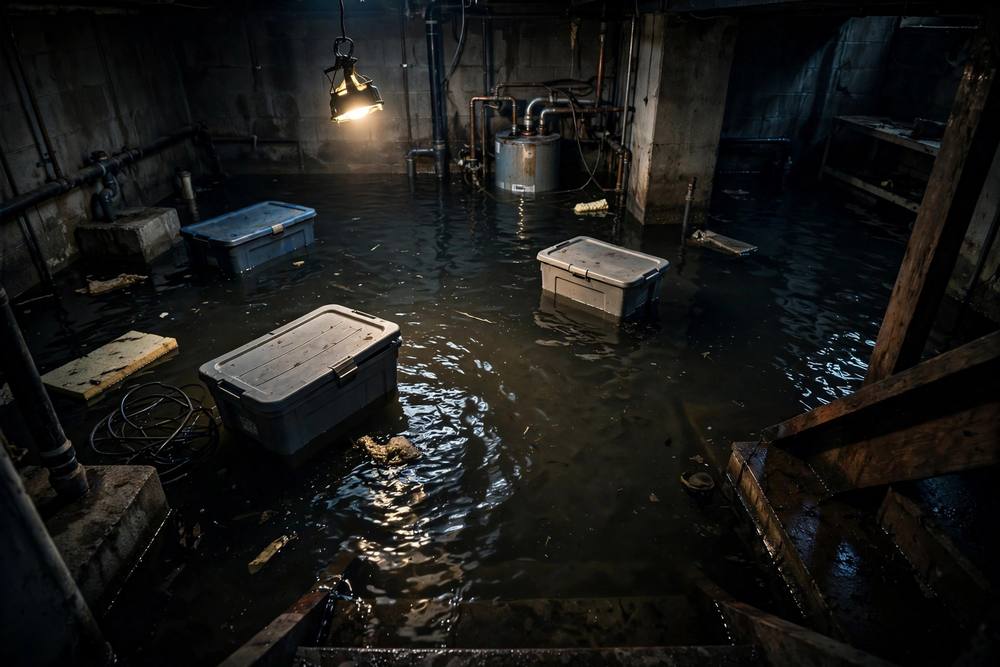
If your basement is flooding right now, here is the short version: stay out of standing water if power may be on, shut off electricity to the basement if you can do so safely from a dry location, stop the water source if it is safe to do so, move valuables to higher ground, and call for professional help immediately. Every hour counts, because water keeps spreading and mold can begin growing within a day or two.
What Should I Do First When My Basement Floods?
Work through these steps in order, and skip any step that puts you in danger:
- 1. Stay safe around electricity. Do not walk through standing water until you are sure the power to the basement is off. If the breaker panel is in the flooded area, do not enter, call an electrician or your utility.
- 2. Cut power safely. If the panel is in a dry area, switch off the basement circuits.
- 3. Stop the source if you can. Burst pipe? Shut the main water valve. Sump pump failed during a storm? Check whether the pump has power or the discharge line is frozen or clogged.
- 4. Move valuables upstairs. Electronics, important documents, rugs, and furniture legs go first.
- 5. Document everything. Take photos and video of the water level, damaged items, and where the water came from. Your insurance company will want this.
- 6. Start removing water only if it is clean water. If the water came from a supply line or rain seepage, you can begin bailing or wet-vacuuming. If it smells bad or may contain sewage, stop and wait for professionals.
- 7. Call for professional water extraction. Household wet-vacs cannot keep up with real flooding, and hidden moisture in walls and subfloors needs commercial drying equipment.
Is It Safe to Go Into a Flooded Basement?
Only if the electricity is off and the water is not contaminated. Floodwater can hide electrical hazards, sharp debris, and contaminants. Water from storms, sewer backups, or unknown sources should be treated as unsafe. When in doubt, wait on the stairs and let professionals with protective gear handle it.
How Do I Stop More Water From Coming In?
It depends on the source. A burst pipe means shutting the main valve. Seepage through walls or floors during heavy rain usually means the ground around your foundation is saturated, and there is little a homeowner can do mid-storm besides making sure gutters and downspouts are directing water away from the house. A failed sump pump may just need power restored, a tripped float switch freed, or a frozen discharge line thawed. If you cannot find or fix the source quickly, focus on documentation and getting help on the way.
Why Do Basements Flood So Often in Columbus?
Columbus has a perfect recipe for basement flooding. Much of central Ohio sits on heavy clay soil that drains poorly, so water presses against foundations instead of soaking away. Most older homes have basements, and many rely on aging sump pumps. Add intense summer storms, spring snowmelt, and winter freeze-thaw cycles that crack foundations and burst pipes, and you get one of the most common homeowner emergencies in the area. Neighborhoods near the Scioto and Olentangy rivers and low-lying areas can see additional pressure during prolonged rain.
When Should I Call a Professional?
Call immediately if there is more than a small puddle, if the water may be contaminated, if water is still rising, or if you cannot find the source. Professional crews bring truck-mounted extraction, commercial dehumidifiers, and moisture meters that find water hiding inside walls and under floors. Fast professional drying is also your best defense against mold, which thrives in damp basements.
What Will Professionals Do When They Arrive?
When the crew arrives, they start with a safety check and a full moisture assessment, tracing how far the water traveled, including inside walls and under flooring where you cannot see it. Truck-mounted or high-capacity portable extractors then remove standing water far faster than any consumer equipment. Next comes the drying setup: commercial dehumidifiers and high-velocity air movers positioned for maximum evaporation, and in many cases baseboards are removed or small weep holes drilled to release trapped water from wall cavities. Technicians return daily to take moisture readings until every material hits its documented dry standard. Only then does the repair phase begin. This monitored, meter-verified process is what separates a professional dry-out from a DIY attempt that leaves hidden moisture behind to grow mold weeks later.
Dealing with a flooded basement in Columbus, OH right now? Water Damage Columbus connects you with local emergency providers around the clock. Call (614) 926-0051 now for 24/7 emergency water extraction and basement flood cleanup.
Need help right now?
One free call connects you with a trusted Columbus provider — 24/7.
Related services
- Emergency Basement Pump-Out in Columbus, OH
- Basement Water Removal in Columbus, OH
- Flooded Basement Cleanup in Columbus, OH
Back to water damage restoration in Columbus or browse all resources.
Keep reading
Common questions
Immediately. Treat the first hour as critical: water spreads into drywall, flooring, and framing within hours, and mold can start growing in 24 to 48 hours. Use that first hour for safety, stopping the water source, photographing everything for insurance, and calling for professional extraction. Fast action directly limits both the damage and the final cost.
For a very small amount of clean water, you can start with towels and a wet-vac. For anything larger, or any water that may contain sewage or chemicals, professional extraction and drying equipment is strongly recommended to prevent hidden moisture damage and mold.
It depends on the source. Sudden events like burst pipes are often covered under standard policies, while gradual seepage and groundwater flooding usually are not without separate flood insurance. Document everything with photos, mitigate further damage promptly, and contact your insurer right away to confirm exactly what your policy covers.
Maintain your sump pump and consider a battery backup for storm-related outages, keep gutters and downspouts clear and extended well away from the foundation, seal visible foundation cracks, and grade soil away from the house. If seepage keeps recurring despite this, consider interior drainage or professional waterproofing.