
Sewage Backup in Basement: Steps to Take Now
Sewage in the basement is a health hazard, not a DIY project. Here are the immediate steps to take, why backups happen in Columbus, and how professional cleanup works.
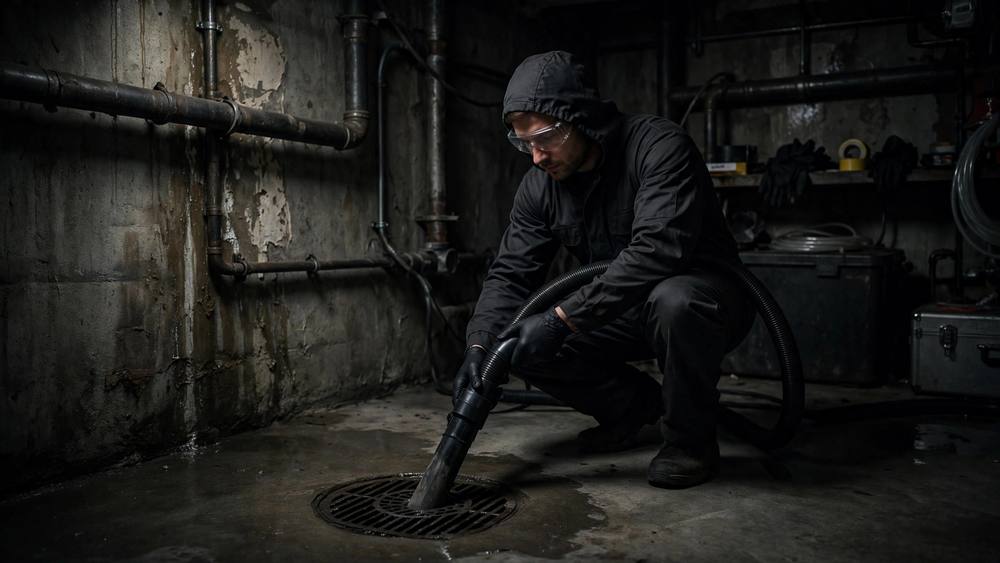
A sewage backup in the basement is one of the most unpleasant and hazardous home emergencies. The short version: keep everyone, including pets, away from the affected area, do not attempt to clean it yourself, shut off the water use in the house, ventilate if safe, document the damage, and call professionals immediately. Sewage carries bacteria, viruses, and parasites that make DIY cleanup genuinely dangerous. This guide walks you through the immediate steps in order, explains why sewage backups are so common in Columbus, describes how professional cleanup works, and covers the prevention upgrades worth considering afterward. Quick, correct action protects your family's health and strengthens any insurance claim.
What Should I Do Immediately?
- 1. Keep people and pets out. Treat all of the water as contaminated. Do not let children or pets near it.
- 2. Stop adding water. Do not flush toilets, run sinks, or use the washing machine until you know the line is clear, you will only make the backup worse.
- 3. Shut off power to the area if water is near outlets or electrical equipment and you can do so safely from a dry location.
- 4. Ventilate cautiously. Open windows if you can do so without entering the contaminated area; sewage gases can be harmful in enclosed spaces.
- 5. Document with photos and video for your insurance claim before anything is disturbed.
- 6. Call for professional sewage cleanup. This is not a mop-and-bucket job. It requires protective equipment, proper extraction, disinfection, and often removal of contaminated porous materials.
Is Sewage Backup Dangerous?
Yes. Sewage is classified as black water, the most contaminated category, and can contain harmful bacteria, viruses, and parasites. Beyond the obvious health risks, sewage gases in enclosed basements can cause nausea and headaches. Anyone with cuts, respiratory conditions, or weakened immunity is at particular risk. Professional crews use full protective gear, respirators, and hospital-grade disinfectants, which is exactly why this job should not be DIY.
Why Do Sewage Backups Happen in Columbus?
Several local factors converge. Many Columbus neighborhoods have aging sewer laterals, and mature tree roots are notorious for invading old clay and cast-iron lines, gradually choking them until a backup occurs. Intense summer storms can overwhelm municipal systems, pushing water back through floor drains. Basements are the lowest point in the home, so they flood first when a line backs up. Sump pump failures during storms compound the problem. If your home has older plumbing and large trees nearby, your risk is higher than average.
Can I Clean Up a Sewage Backup Myself?
Strongly discouraged. Beyond the health hazards, improper cleanup leaves contamination behind in porous materials and can spread it through the house. Insurance companies also expect professional documentation and remediation for sewage claims. What you can do: stop using water, keep the area isolated, and document. Leave extraction, disinfection, and material removal to equipped professionals.
How Is Professional Sewage Cleanup Done?
Crews first extract the contaminated water with specialized equipment, then remove and dispose of porous materials the sewage touched, such as carpet pad, soaked drywall, and insulation, because these cannot be reliably disinfected. All remaining surfaces are cleaned and disinfected with antimicrobial treatments, the area is dried with commercial equipment, and air scrubbers may run to capture airborne contaminants. Finally, providers can advise on prevention, such as backwater valves that prevent municipal backups from entering your home.
What Prevention Options Exist After a Backup?
Once you have lived through a sewage backup, prevention becomes a priority. A backwater valve installed on your main sewer lateral is the single most effective upgrade: it allows wastewater to flow out normally but slams shut when flow reverses toward your home. Having aging laterals camera-inspected reveals root intrusion, cracks, or collapse before the next backup happens. Keep large tree roots managed near old clay or cast-iron lines, and maintain your sump pump with a backup unit, since stormwater and sewage problems often arrive together. Finally, review your insurance policy and consider adding a sewer backup endorsement now, so you are financially protected the next time.
Sewage backup in your Columbus basement? Do not wait and do not handle it yourself. Water Damage Columbus connects you with local emergency sewage cleanup providers, 24/7. Call (614) 926-0051 now.
Need help right now?
One free call connects you with a trusted Columbus provider — 24/7.
Related services
- Sewage Backup Cleanup in Columbus, OH
- Emergency Sewage Cleanup in Columbus, OH
- Basement Sewage Cleanup in Columbus, OH
Back to our Columbus restoration referral service or browse all resources.
Keep reading
Common questions
Because sewage contains harmful bacteria, viruses, and parasites, and proper cleanup requires protective equipment, disinfection protocols, and disposal of contaminated porous materials. Improper DIY cleanup leaves contamination behind in walls and floors and can spread it through the home via foot traffic and HVAC systems.
Often, yes, when the backup is sudden and accidental and your policy includes sewer backup coverage, which is sometimes an add-on endorsement rather than standard. Check your policy declarations. Document everything with photos immediately and mitigate further damage while awaiting guidance.
A backwater valve installed on your sewer lateral is the most effective defense against municipal backups entering your home. Also keep tree roots clear of aging laterals, maintain your sump pump, avoid flushing wipes or pouring grease down drains, and consider a camera inspection of the lateral if backups recur.
Yes, in most cases. Porous materials like carpet pad, drywall, and insulation that contacted sewage generally cannot be reliably disinfected and must be removed and replaced. Non-porous surfaces can be disinfected and kept. This is standard professional practice for health and safety, not upselling.