
Roof Leaks & Ceiling Water Stains: Repair Guide
That brown ring on your ceiling is a symptom, not the disease. Here's how to trace a roof leak to its source and repair the damage properly.
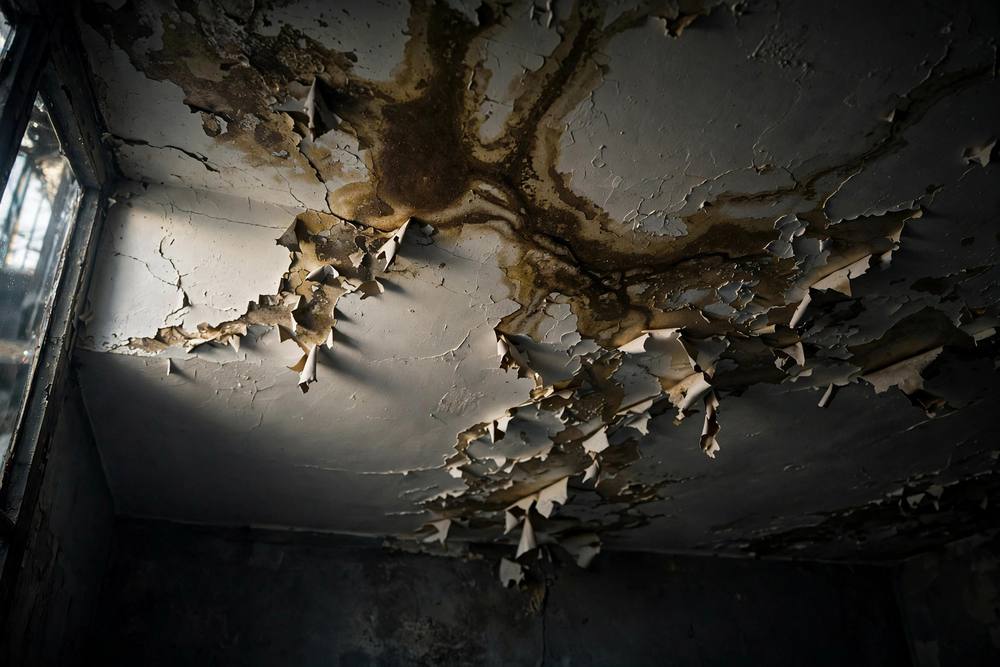
A ceiling water stain means water got past your roof and traveled through the attic before showing up indoors — the stain is the symptom, and the roof penetration is the disease. Small, dry, stable stains can often be sealed and repainted after the leak is fixed and the area is confirmed dry. Larger stains, sagging drywall, or active dripping mean the leak is ongoing and the ceiling materials need professional assessment and usually partial replacement. Here is how to read the signs and fix it right.
What Causes Roof Leaks in Columbus Homes?
- Aging or damaged shingles — cracked, curled, or missing shingles after wind and hail events
- Failed flashing around chimneys, skylights, vents, and valleys, the single most common leak point
- Ice dams — Columbus freeze-thaw cycles melt rooftop snow that refreezes at the eaves, forcing water under shingles
- Clogged gutters that overflow and push water behind fascia boards
- Storm damage from falling branches and wind-driven debris
- Worn pipe boots and vent seals that crack with age and UV exposure
Note that the leak's entry point on the roof is rarely directly above the ceiling stain — water runs along rafters and decking before dripping down, sometimes many feet away.
How Do You Find Where the Leak Is Coming From?
Start in the attic during or just after rain with a flashlight: look for wet insulation, stained decking, and drip trails, and trace them uphill to the penetration point. On the roof, inspect flashing, valleys, and penetrations rather than staring at shingles. For elusive leaks, professionals use moisture meters and thermal imaging plus controlled water testing. If you are not comfortable on a roof — and most homeowners should not be — this is exactly what leak detection specialists are for.
Can You Just Paint Over a Water Stain?
Only after two conditions are met: the leak is fully repaired and the area is verified dry with moisture readings. Painting over an active leak just hides it while rot and mold continue. The correct sequence is: fix the roof, confirm dryness, apply a stain-blocking primer (standard paint will let brown tannins bleed right back through), then topcoat. Skip the stain-blocking primer and the stain will ghost through within weeks.
When Does a Stained Ceiling Need More Than Paint?
Call a professional when you see sagging or bulging drywall (it is holding water weight and can collapse), active dripping, stains that keep growing after rain, mold growth on or around the stain, or soft, crumbling drywall. In these cases the wet drywall and often the insulation above it must be removed, the cavity dried, and the ceiling rebuilt — a repair job, not a paint job.
What About the Attic?
Every ceiling stain deserves an attic inspection. Wet insulation loses its R-value and must usually be replaced, and damp roof decking can rot or grow mold out of sight. While up there, check that bathroom exhaust fans vent outside — fans dumping warm moist air into the attic are a notorious Columbus-area cause of attic mold that gets mistaken for roof leaks.
How Do You Prevent the Next Leak?
Clean gutters twice a year, trim overhanging branches, have flashing and sealants inspected every few years (especially after major storms), ensure proper attic ventilation and insulation to reduce ice dams, and address small ceiling stains immediately instead of watching them. A $200 flashing repair today prevents a $5,000 ceiling and mold job next spring. Photograph your roof's condition annually so you have before-and-after evidence if a storm claim ever becomes necessary.
What Does a Professional Leak Repair Visit Look Like?
Expect an attic inspection first, then a roof walk focused on flashing, valleys, and penetrations rather than just shingles. The technician maps interior moisture to trace the water path, photographs everything for your records, and distinguishes the roof repair (flashing reseal versus shingle replacement) from the interior restoration (drying, drywall, paint). You should get a clear explanation of which parts are urgent and which can wait for dry weather.
Got a ceiling stain or active roof leak in Columbus? Do not wait for the next storm to make it worse. Call (614) 926-0051 and we will connect you with a local provider for leak detection, water damage repair, and ceiling restoration.
Need help right now?
One free call connects you with a trusted Columbus provider — 24/7.
Related services
- Roof Leak Water Damage Restoration in Columbus, OH
- Ceiling Water Stain Removal in Columbus, OH
- Ceiling Water Damage Repair in Columbus, OH
Back to our Columbus restoration referral service or browse all resources.
Keep reading
Common questions
Months or even years. Slow leaks saturate insulation and decking silently, with the first visible ceiling stain often appearing long after rot or mold has started. That is why attic inspections after major storms are so valuable — they catch leaks in the invisible phase.
If the leak was sudden — storm damage, fallen branch, wind-torn shingles — it is typically covered. Gradual leaks from wear, age, or neglected maintenance usually are not. Document the damage promptly and have the cause professionally identified before filing.
The ring is tannins and minerals deposited as water spread outward and dried at the edges. It is cosmetic, but its size tells you how far the water traveled. Multiple concentric rings usually mean the leak has been active through several wet-dry cycles.
Yes. Columbus gets repeated freeze-thaw cycles each winter, which is the exact recipe for ice dams: snow melts on the warmer upper roof, runs down, and refreezes at the cold eaves. Proper attic insulation and ventilation are the long-term fix.