
Basement Waterproofing vs. Water Damage Repair
Water damage repair fixes what already happened; waterproofing stops it from happening again. Learn which one you need, and why Columbus homes often need both.
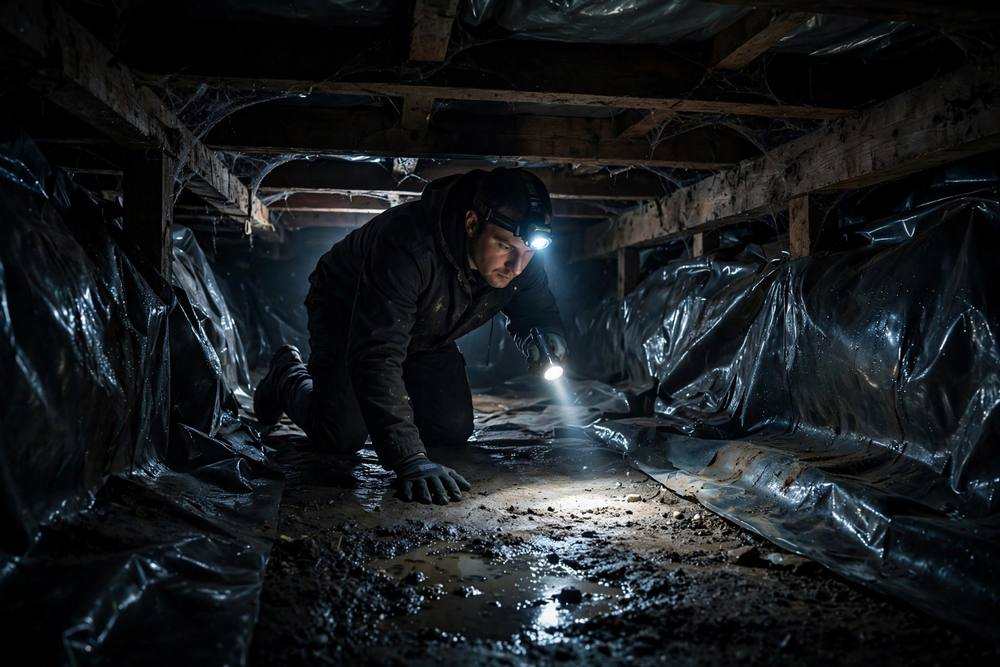
Homeowners often confuse these two services, but they solve different problems at different times. Water damage repair fixes damage that has already happened: drying, cleanup, and rebuilding after water intrudes. Basement waterproofing prevents water from getting in next time. Many Columbus homes eventually need both, but understanding the difference saves you from paying for the wrong service. This guide explains each service in plain terms, helps you figure out which one your situation calls for, and shows why so many Columbus homeowners end up needing restoration first and waterproofing second, in that order. Getting this decision right the first time saves thousands and prevents repeat disasters.
What Is Basement Waterproofing?
Waterproofing is preventive. It includes systems and treatments designed to keep water out of your basement: interior drain tile and sump pump systems that capture and redirect groundwater, exterior waterproofing membranes and drainage applied to foundation walls, crack injection to seal foundation cracks, and grading or drainage improvements outside the home. The goal is simple: water never reaches your interior in the first place. Waterproofing is the right investment when your basement repeatedly seeps, leaks, or floods during storms.
What Is Water Damage Repair?
Water damage repair, also called restoration, is reactive. It happens after water has already intruded and includes emergency water extraction, structural drying with commercial dehumidifiers and air movers, removal of unsalvageable materials like soaked drywall and carpet pad, mold remediation if needed, sanitizing, and reconstruction of damaged walls, floors, and finishes. The goal is to return the property to its pre-damage condition and make sure no hidden moisture remains.
Which One Do I Need?
- You need water damage repair if you currently have standing water, wet materials, visible damage, or mold from a recent or ongoing intrusion. This is the urgent priority.
- You need waterproofing if your basement has a history of seepage or flooding, even if it is dry right now. Waterproofing is planned work, not emergency work.
- You likely need both, in that order, if a flood revealed that your home has no real defense against the next storm. Repair first, then waterproof to prevent a repeat.
A common and costly mistake is repairing a finished basement beautifully after a flood without addressing why it flooded. The next heavy rain undoes all of it. In Columbus, where clay soil keeps hydrostatic pressure on foundations year-round, pairing restoration with waterproofing is often the most economical long-term path.
Can Waterproofing Prevent All Future Damage?
No system prevents every scenario. Waterproofing is highly effective against groundwater seepage and typical storm intrusion, which are the most common basement problems here. It does not prevent burst pipes, appliance failures, or sewer backups, which need their own prevention measures. Think of waterproofing as solving the groundwater problem, while plumbing maintenance and leak detection solve the interior problem. Together they cover the vast majority of residential water damage causes.
How Do the Processes Differ?
Water damage repair is urgent and fast-moving: extraction within hours, drying over several days, then repairs. Waterproofing is scheduled work: assessment of how water enters, installation of drainage or barrier systems over days, and minimal disruption compared to an emergency. Because waterproofing is planned, you have time to compare approaches, while restoration after a flood rewards the fastest competent response.
What Does a Waterproofing Assessment Involve?
A proper assessment starts with diagnosing exactly how water gets in. The provider inspects foundation walls for cracks, checks exterior grading and gutter discharge, examines the sump pit and any existing drainage, and looks for efflorescence or staining that reveals past water paths. They may run controlled water tests or schedule the inspection during rain to watch entry points in action. The result should be a clear explanation of where water enters and a recommended combination of solutions, such as interior drainage, exterior work, crack injection, or grading correction, with the reasoning behind each choice. Be cautious of one-size-fits-all quotes that skip the diagnosis entirely, since installing the wrong system in the wrong place wastes money without solving the problem.
Dealing with water damage now, or tired of a basement that floods every storm? Water Damage Columbus connects Columbus, OH homeowners with local providers for emergency restoration and lasting waterproofing solutions. Call (614) 926-0051 for 24/7 help.
Need help right now?
One free call connects you with a trusted Columbus provider — 24/7.
Related services
- Basement Waterproofing in Columbus, OH
- Basement Water Damage Repair in Columbus, OH
- Interior Basement Waterproofing in Columbus, OH
Back to water damage restoration in Columbus or browse all resources.
Keep reading
Common questions
Repair first, always. Active water damage gets worse every hour and can grow mold within days, so extraction and drying are the urgent priority. Once the property is dry and restored, waterproofing can be planned and installed at a sensible pace to prevent the next event.
Interior systems manage water that reaches the foundation from inside, while exterior waterproofing stops it before it touches the wall. Exterior work is more disruptive and costly; interior systems handle most seepage problems effectively. A professional assessment determines which fits your situation.
No system can promise that. Waterproofing greatly reduces the risk of groundwater seepage and storm-related flooding, which are the most common basement problems in Columbus. It does not prevent plumbing failures or sewer backups, which require their own separate prevention measures.
Interior drain tile with a sump pump, exterior waterproofing membranes, foundation crack injection, grading and drainage correction, and window well drainage. The right combination depends on how and where water enters your specific basement, which a professional assessment can determine.