
Mold Testing vs. Mold Inspection: Which Do You Need?
Inspection finds the mold and its moisture source; testing identifies species and spore counts in a lab. Here's which one your situation actually needs.
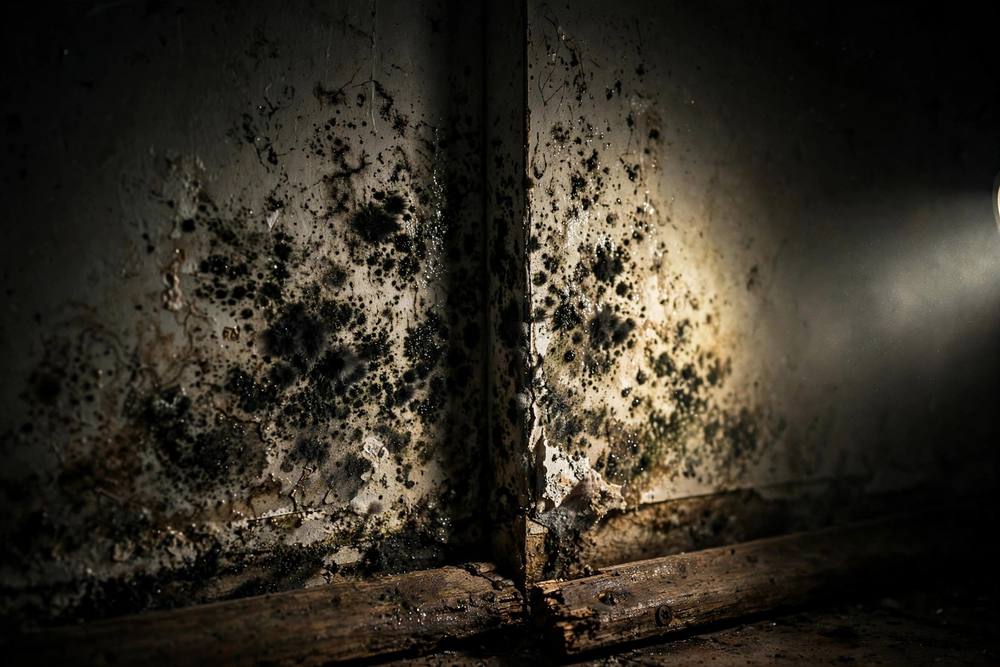
A mold inspection finds mold and its moisture source through visual assessment and moisture measurement; mold testing identifies the specific mold types and spore concentrations through laboratory analysis of air or surface samples. Most Columbus homeowners dealing with a leak or musty odor need an inspection first — testing is valuable in specific situations, like medical concerns, legal disputes, or verifying that remediation worked. Here is how to tell which one your situation actually calls for.
What Does a Mold Inspection Involve?
A professional mold inspection is a detective process. The inspector examines the property for visible mold growth, uses moisture meters and thermal imaging to find damp areas feeding hidden growth, checks HVAC systems, attics, basements, and crawl spaces, and traces moisture to its source — because mold without a moisture source is a temporary problem, while mold with one is permanent. You receive a report detailing where mold was found, what is causing the moisture, and what remediation should address. No laboratory is involved; the findings are based on observable conditions and measurements.
What Does Mold Testing Involve?
Mold testing collects physical samples — air samples capturing airborne spores, surface swabs or tape lifts of visible growth, and sometimes bulk samples of materials — which are sent to an accredited laboratory. The lab report identifies genera and species (Aspergillus, Stachybotrys, and others) and spore concentrations, often compared against an outdoor control sample. Testing answers "what and how much" with scientific precision, but it does not find hidden mold or fix moisture problems on its own.
When Do You Need an Inspection?
- You smell mustiness or see visible growth and need to know the extent and source
- After water damage, to determine whether mold developed before repairs are sealed up
- When buying a home — especially older Columbus homes with basements — and you want a moisture and mold risk assessment
- When you need a remediation plan: what to remove, what to treat, and what moisture source to fix
When Do You Need Testing?
- A doctor recommends identifying specific mold exposures for health reasons
- Legal or insurance disputes require documented, lab-verified evidence
- Post-remediation verification — confirming spore counts returned to normal after cleanup (often called clearance testing)
- Hidden mold is strongly suspected but no visible growth exists, and air sampling may reveal elevated indoor spores versus outdoor baseline
Can Testing Replace an Inspection?
No — and this is the most common misunderstanding. An air sample showing elevated spores tells you mold exists somewhere, but not where, and not what is feeding it. Remediation companies need the inspection's findings to know what to remove and what moisture source to correct. Testing without inspection is data without a plan; inspection without testing is usually sufficient for straightforward remediation decisions.
What About Columbus's Basement Mold Problem?
Central Ohio's combination of heavy clay soil, humid summers, and older homes with basements makes basement mold one of the most common inspection findings in the area. Summer humidity condenses on cool foundation walls, minor seepage keeps wall bases damp, and finished basements hide growth behind drywall for years. If your Columbus basement smells musty every summer, an inspection focusing on moisture sources — grading, gutters, humidity levels — will do more for you than a lab report alone. Bring photos of any past water issues to the inspection, since they help trace recurring patterns, and remember that an inspection costs far less than remediating a problem discovered after you have already finished the basement.
What Should a Good Inspection Report Include?
A useful report goes well beyond "mold was found." Expect dated photographs of every affected area, moisture meter readings showing which materials are wet and which are dry, identification of the moisture source feeding the growth, and a written remediation scope — what gets removed, what gets treated, and what must be fixed to prevent recurrence. Vague one-page summaries and verbal-only findings are red flags. The report is also what lets you get comparable quotes: without it, every remediation bid is guessing at a different job, and you cannot tell which one actually addresses the cause.
Concerned about mold in your Columbus home? Start with answers, not guesswork. Call (614) 926-0051 and we will connect you with a local provider for professional mold inspection and testing.
Need help right now?
One free call connects you with a trusted Columbus provider — 24/7.
Related services
- Mold Testing in Columbus, OH
- Mold Inspection in Columbus, OH
- Indoor Air Quality Testing in Columbus, OH
Back to water damage restoration in Columbus or browse all resources.
Keep reading
Common questions
For most situations — visible growth, musty odors, or post-water-damage assessment — an inspection alone is sufficient to plan remediation. Testing adds value mainly for medical guidance, legal documentation, or post-remediation clearance verification. Save testing for clearance verification after remediation, when lab confirmation that spore counts normalized has real value.
Single-room air or surface sampling typically costs far less than a full inspection with multiple samples, but prices vary widely by provider and sample count. Be wary of free testing offers tied to high-pressure remediation sales — independent assessment protects your interests.
Yes. Air samples capture what is airborne at that moment, which fluctuates with HVAC operation, weather, and activity. That is why professionals compare indoor samples to an outdoor control and interpret results alongside inspection findings rather than treating one sample as a diagnosis.
Look for providers who separate assessment from remediation or clearly disclose the relationship, use moisture meters and thermal imaging during inspection, send samples to an accredited independent laboratory, and give you a written report — not just a verbal sales pitch.