
Black Mold After Water Damage: Risks & Removal
Black mold after water damage needs more than bleach and hope. Learn the real risks, how fast it grows, when DIY is not enough, and how professional removal works.
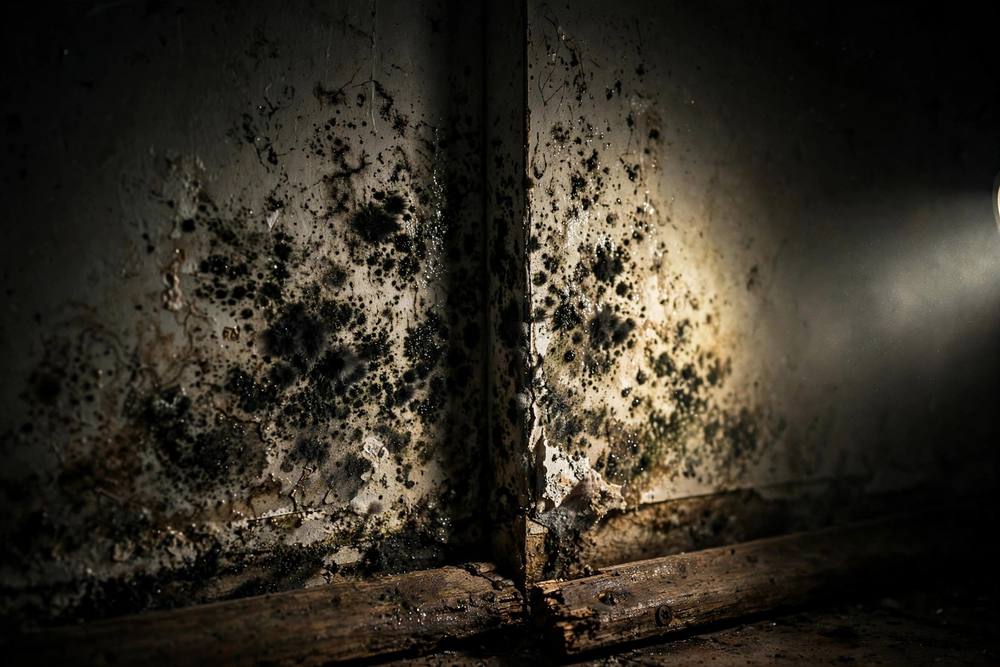
Black mold is the growth homeowners fear most after water damage, and for good reason: it signals that moisture has been feeding hidden mold colonies, and it needs professional handling. Here is what black mold actually is, what the real risks are, and how proper removal works, without the scare tactics. You will also learn how quickly mold can take hold after flooding, when a small patch is safe to handle yourself, and what a proper professional remediation process looks like from inspection through verification. Knowing the facts helps you act quickly and avoid both health risks and costly mistakes.
What Is Black Mold?
Black mold usually refers to Stachybotrys chartarum, a dark greenish-black mold that grows on materials with high cellulose content, like drywall, wood, and paper, when they stay damp for an extended time. It is one of many mold species that can colonize a water-damaged home, and color alone does not identify it. What matters more than the species is the underlying problem: sustained moisture. Any significant mold growth after water damage deserves professional assessment, regardless of color.
What Are the Health Risks?
Mold exposure can cause allergic reactions, respiratory irritation, coughing, and eye and skin irritation, particularly in people with asthma, allergies, or weakened immune systems. Some molds produce mycotoxins, which is part of why black mold has an alarming reputation. Health effects vary widely by person and exposure level. If anyone in the household has persistent symptoms that seem tied to the home environment, consult a medical professional. From a property standpoint, the guidance is simpler: mold growth means ongoing moisture, and both need to be addressed.
How Fast Does Mold Grow After Water Damage?
Mold can begin colonizing damp materials within 24 to 48 hours of water exposure. That timeline is why fast, thorough drying matters so much. A basement that was pumped out but never properly dried, or drywall that wicked up water and was left in place, can harbor mold colonies inside walls within days. In humid Columbus summers, the window is even tighter, which is why professionals prioritize getting materials below safe moisture levels quickly.
Can I Remove Black Mold Myself?
For a tiny surface patch, such as a small spot on bathroom tile, careful DIY cleaning can be fine. But mold after water damage is a different situation: the visible patch is usually a fraction of the colony, which often extends inside walls, under flooring, or into insulation. DIY scrubbing without containment can spread spores through the house via HVAC and foot traffic. If the affected area is larger than a few square feet, if mold keeps returning, or if it follows any flooding or leak, professional remediation is the safer choice.
How Do Professionals Remove Mold?
- Inspection and moisture mapping. Finding all affected areas, including hidden ones, with moisture meters and sometimes thermal imaging.
- Containment. Sealing off the work area with plastic sheeting and negative air pressure so spores do not spread to clean areas.
- Removal of contaminated materials. Porous materials like drywall and insulation that mold has penetrated usually must be removed and discarded, not just cleaned.
- Cleaning and HEPA filtration. HEPA vacuuming and air scrubbing capture airborne spores during and after removal.
- Drying and prevention. Eliminating the moisture source and drying the structure so mold cannot return.
- Verification. Post-remediation checks confirm the area is clean and dry.
How Can You Prevent Mold After Water Damage?
Prevention comes down to speed and thorough dryness. Extract standing water as fast as possible, then dry the structure aggressively, aiming to get materials dry within the first day or two. Run dehumidifiers to keep indoor humidity low while drying continues, especially during humid Columbus summers. Fix the moisture source permanently, whether that is a plumbing leak, foundation seepage, or a condensation problem, because mold will return wherever dampness persists. Improve ventilation in naturally damp areas like bathrooms and basements. And never trust appearances alone: verify with moisture readings that walls and floors are genuinely dry, since mold happily grows on the hidden side of a wall that looks perfectly fine from the room.
Worried about mold after water damage in Columbus, OH? Water Damage Columbus connects you with local providers for professional mold inspection, testing, and remediation. Call (614) 926-0051 for help today.
Need help right now?
One free call connects you with a trusted Columbus provider — 24/7.
Related services
- Black Mold Removal in Columbus, OH
- Mold Remediation in Columbus, OH
- Mold Removal After Water Damage in Columbus, OH
Back to Columbus water damage specialists or browse all resources.
Keep reading
Common questions
No. Color alone does not identify mold species, and many harmless molds are dark. What matters is that significant mold growth indicates a moisture problem. Professional testing can identify species if needed, but the remediation approach is similar: remove the mold and fix the moisture.
Bleach can discolor surface mold on non-porous materials, but it does not address mold roots in porous materials like drywall and wood, and it does nothing about hidden colonies. Worse, the moisture from cleaning can feed regrowth. Proper remediation removes contaminated materials and fixes the moisture source.
Mold can begin colonizing damp materials within 24 to 48 hours of water exposure. Visible colonies may take longer to appear, especially inside walls where you cannot see them. This tight timeline is why thorough professional drying immediately after water damage is the single best mold prevention step.
Consider testing when you need to confirm hidden mold, identify the moisture source, or verify that remediation worked properly. For obvious post-flood mold growth, remediation is usually the priority, and assessment can be part of the process. Post-remediation verification testing confirms the area is clean and dry.