
Water Damage Restoration Cost in Columbus, OH
There is no single price for water damage restoration. Here are the real factors that determine what you will pay in Columbus, and how to keep costs under control.
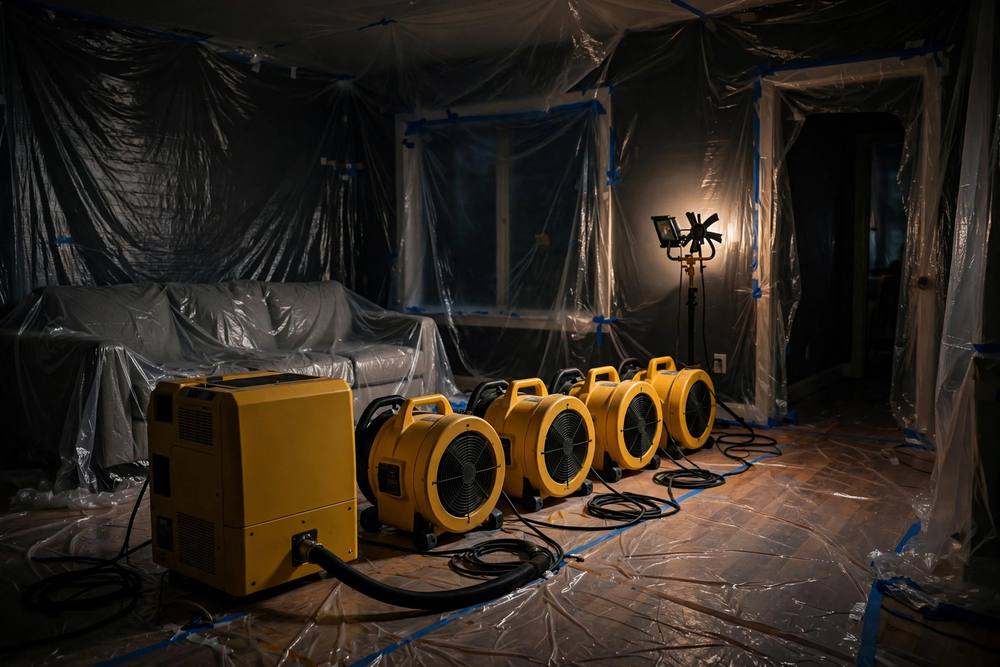
There is no flat rate for water damage restoration in Columbus, and any company quoting you a firm price over the phone without seeing the damage should raise a red flag. The final cost depends on how much water there is, what kind of water it is, how far it spread, what materials were affected, and how quickly drying begins. Understanding these factors helps you ask the right questions and avoid overpaying. This guide breaks down each factor in plain language so you know what drives the scope, what questions to ask any provider, and how Columbus homeowners can keep the final bill as low as possible.
What Factors Affect Water Damage Restoration Cost?
- Amount of water and size of the affected area. A small leak under a sink costs far less to address than several inches of standing water across a finished basement. Larger areas need more labor, more equipment, and more drying time.
- Category of water. Clean water from a supply line is the simplest to handle. Gray water from appliances costs more because of contamination concerns. Black water from sewage backups or flooding requires extensive disinfection, protective protocols, and removal of porous materials, which increases the scope significantly.
- Materials affected. Drying concrete or tile is straightforward. Hardwood floors, carpet and pad, drywall, insulation, and cabinetry may need removal and replacement, which adds rebuild costs on top of drying.
- How long the water sat. Water extracted within hours causes far less damage than water discovered after a weekend away. Delays allow wicking up walls, swelling of wood, and mold growth, all of which expand the job.
- Access and demolition needed. Water trapped behind walls or under floors may require controlled demolition to dry properly, adding labor and repair work.
- Mold remediation. If mold has already taken hold, containment, removal, and clearance add a separate phase to the project.
Does the Type of Water Really Change the Price?
Yes, substantially. Clean water jobs focus on extraction and drying. Contaminated water jobs require personal protective equipment, antimicrobial treatment, and often the removal and disposal of anything porous the water touched, such as carpet pad, drywall, and insulation. That is why a sewage backup in a basement typically involves a much larger scope than a burst supply line caught quickly.
How Does Drying Time Affect What You Pay?
Professional drying usually runs for several days with commercial dehumidifiers and air movers in place. Bigger jobs need more equipment running longer. Columbus humidity, especially in summer, can extend drying times, which is one reason fast response matters: the sooner drying starts, the shorter and cheaper the process tends to be.
Will Insurance Cover Water Damage Restoration?
Often, yes, when the damage is sudden and accidental, such as a burst pipe or an appliance failure. Gradual leaks, neglected maintenance, and groundwater flooding are commonly excluded or require separate flood coverage. A reputable provider will document the damage thoroughly with photos and moisture readings, which is exactly what adjusters need to process your claim.
How Can Columbus Homeowners Keep Costs Down?
- Act fast. Call for help the moment you discover water. Every hour of delay expands the damage.
- Know your main water shutoff location before an emergency happens.
- Document everything with photos and video before anything is moved or removed.
- Get a detailed written scope that separates mitigation (drying and cleanup) from reconstruction (repairs), so you can compare fairly.
- Ask what is covered by insurance and get help with documentation for your claim.
What Should a Detailed Estimate Include?
A trustworthy estimate clearly separates mitigation from reconstruction. Mitigation covers emergency response, water extraction, equipment setup and daily monitoring, demolition of unsalvageable materials, and antimicrobial treatment. Reconstruction covers replacing drywall, flooring, trim, and paint. The scope should list affected areas room by room, describe the equipment to be used, give an expected drying timeframe, and explain what happens if hidden moisture is discovered mid-job. It should also state what is not included. Vague one-line quotes make fair comparison impossible and often hide exclusions that surface later as surprise charges. Always ask for the full breakdown in writing before authorizing anything beyond emergency mitigation.
Need a professional assessment in Columbus, OH? Water Damage Columbus connects you with local providers who will inspect the damage, explain your options clearly, and document everything for insurance. Call (614) 926-0051 for 24/7 help.
Need help right now?
One free call connects you with a trusted Columbus provider — 24/7.
Related services
- Water Damage Restoration in Columbus, OH
- Structural Drying Services in Columbus, OH
- Water Damage Assessment in Columbus, OH
Back to Columbus water damage restoration or browse all resources.
Keep reading
Common questions
Because the scope depends on factors that cannot be assessed without inspection: water category, how far moisture spread inside walls and floors, and which materials can be dried versus replaced. A phone quote without inspection is a guess, and reputable providers prefer to assess first.
Sudden and accidental damage, like burst pipes or appliance failures, is commonly covered under standard homeowners policies. Gradual damage from neglected maintenance and groundwater flooding are typically excluded. Review your policy declarations carefully, document all damage with photos before cleanup begins, and ask your insurer what is covered.
Contaminated water requiring disinfection, delays before drying starts, finished materials like hardwood and drywall that must be removed and replaced, mold growth needing remediation, and large affected areas all increase scope and cost. Fast professional response is the single biggest factor in keeping the final cost down.
For non-emergency work, comparing detailed written scopes is smart and helps you spot outliers. In an active emergency, prioritize fast mitigation to stop the damage from growing, then request detailed documentation of everything performed, which you can review with your insurer afterward.