
Flooded Carpet: Clean or Replace? | Columbus OH
Whether flooded carpet can be saved depends on the water source, how long it stayed wet, and the condition of the pad underneath. Here's how to decide.
Short answer: carpet soaked by clean water (like a supply-line leak) can often be professionally cleaned and dried if action starts within 24 to 48 hours. Carpet soaked by contaminated water — sewage backups, toilet overflows, or outdoor floodwater — should almost always be removed and replaced. The carpet pad underneath is far less forgiving than the carpet itself and usually needs replacing even when the carpet is saved.
Making the wrong call is expensive either way. Cleaning carpet that should have been replaced leaves you with mold and odor problems that cost far more to fix later. Replacing carpet that could have been saved wastes hundreds or thousands of dollars. Here is how restoration professionals in Columbus make the decision.
What kind of water flooded your carpet?
Restoration professionals classify water into three categories, and the category decides almost everything:
- Clean water (Category 1): broken supply lines, water heater leaks, rainwater from a roof leak. Carpet exposed to clean water has the best chance of being saved.
- Gray water (Category 2): washing machine overflow, dishwasher leaks, sump pump failures. Contains detergents and contaminants. Carpet may be salvageable with thorough professional cleaning, but the pad typically is not.
- Black water (Category 3): sewage backups, toilet overflows with solids, river or storm floodwater. Porous materials like carpet and pad absorb bacteria, chemicals, and waste that cannot be reliably removed. Replacement is the standard recommendation.
If you are unsure which category you are dealing with — and most homeowners are — treat it as the worse category until a professional assesses it. In Columbus, basement carpet floods from sump pump failures during spring storms are extremely common, and that water is at least gray water.
How long has the carpet been wet?
Time is the second deciding factor. Mold can begin growing on damp carpet and pad within 24 to 48 hours, and Columbus summers — warm and humid — push toward the faster end of that range. Carpet that has been wet for more than about 48 hours without professional drying equipment is far more likely to need replacement, because mold growth may already be established deep in the fibers and pad where you cannot see it.
This is why speed matters so much. Calling for professional water extraction the same day gives your carpet its best chance. Waiting until the weekend, or hoping fans and open windows will do the job, usually ends with replacement.
Can the carpet pad be saved?
Usually not. Carpet pad is essentially a sponge — typically rebond foam — that traps water, dirt, and contaminants deep inside. Even after the carpet surface feels dry, the pad underneath can stay wet for days, growing mold and releasing musty odors. Most restoration professionals replace the pad as a matter of course after any significant flooding, then thoroughly clean and dry the carpet itself before reinstalling it over new pad.
The one common exception is very minor, clean-water incidents caught immediately — a small supply-line drip discovered within hours, for example. Anything beyond that, plan on new pad.
What does professional carpet flood restoration involve?
When carpet is salvageable, local providers we connect you with typically follow this process:
- Water extraction: truck-mounted or high-powered portable extractors pull standing water and deep moisture from carpet and pad.
- Pad removal and disposal: the old pad is removed, and the subfloor is inspected for damage.
- Deep cleaning: hot-water extraction with antimicrobial treatment addresses contaminants and discourages mold.
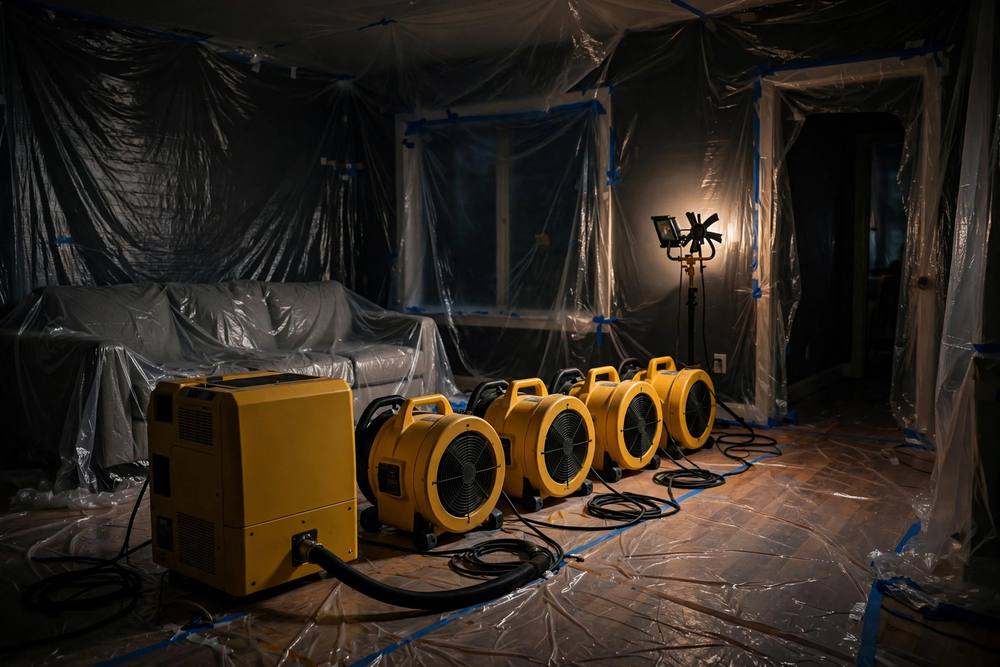
- Structural drying: air movers and dehumidifiers dry the carpet, subfloor, and surrounding materials to verified moisture levels.
- Reinstallation: new pad is installed and the cleaned carpet is re-stretched and reinstalled.
Moisture meters verify that everything is genuinely dry — not just dry to the touch — before the job is considered complete.
When is replacement the smarter choice?
Replacement is the right call when the water was sewage or outdoor floodwater, when the carpet stayed wet beyond about 48 hours, when mold or persistent odor is present, when the carpet is old or low-value enough that restoration costs approach replacement costs, or when the subfloor underneath is damaged and needs work anyway. In those cases, removing the carpet also gives drying equipment direct access to the subfloor, which speeds the whole restoration.
How do you prevent mold after a carpet flood?
Fast professional drying is the single most important step. After that, keep indoor humidity below about 60 percent, run your HVAC fan to circulate air, and watch for musty odors over the following weeks — odor is often the first sign that moisture was left behind. If anyone in the home has allergies or asthma, err on the side of replacement rather than cleaning, since even well-cleaned carpet can harbor residual allergens after a flood.
Dealing with a flooded carpet in Columbus right now? The providers in our network offer 24/7 emergency water extraction, carpet flood restoration, and honest guidance on clean versus replace. Call (614) 926-0051 any time — fast action is what saves carpet.
Need help right now?
One free call connects you with a trusted Columbus provider — 24/7.
Related services
- Carpet Flood Damage Restoration in Columbus, OH
- Carpet Water Extraction in Columbus, OH
- Water-Damaged Flooring Replacement in Columbus, OH
Back to our Columbus restoration referral service or browse all resources.
Keep reading
Common questions
It depends on the cause. Sudden events like burst pipes are typically covered, while gradual leaks and most floodwater damage are not without separate flood insurance. Document everything with photos before cleanup begins, and keep receipts for any emergency work. A restoration professional can help document the damage in the format adjusters expect.
Rental carpet cleaners handle surface cleaning but cannot match the extraction power or drying capacity of professional equipment. The bigger risk is what you cannot see: moisture trapped in the pad and subfloor, which leads to mold within days. For anything beyond a very small, clean-water spill, professional extraction and structural drying are worth it.
The most common signs are a persistent musty or earthy odor, discoloration or staining on the carpet, and allergy symptoms that worsen indoors. By the time mold is visible on the surface, it is usually well established underneath. If your carpet was wet for more than 48 hours, assume the pad needs professional attention.
Yes. Water passes through carpet and pad into the subfloor, which can swell, warp, or grow mold. Concrete subfloors common in Columbus basements need thorough drying and sometimes antimicrobial treatment. Wood subfloors may need drying, sanding, or partial replacement. A proper restoration always includes subfloor inspection.