
Smart Leak Detectors & Automatic Shutoff Valves
A $30 sensor or an automatic shutoff valve can prevent tens of thousands in water damage. Here's how smart leak detection works and where to place sensors.
Short answer: smart leak detectors are small wireless sensors that alert your phone the moment they touch water, and automatic shutoff valves go one step further — they close your home's main water supply when a leak is detected, stopping the damage even when nobody is home. For Columbus homeowners, especially those who travel or own rentals, they are among the highest-value prevention investments you can make.
Most catastrophic residential water damage shares one trait: nobody was there. The burst washing machine hose at 10 a.m. on a workday. The water heater that lets go during a week-long vacation. The supply line that fails in a vacant rental. Smart leak technology exists precisely for these scenarios — it watches your plumbing when you cannot.
How do smart leak detectors work?
Standalone leak sensors are small battery-powered pucks you place in leak-prone spots. When water bridges their metal contacts, they sound a local alarm and — in smart models — send an instant alert to your phone via Wi-Fi. More advanced systems use a central hub with multiple wireless sensors, temperature and humidity monitoring (which catches freeze risks and slow-developing moisture), and integration with smart home platforms. Battery life typically runs one to three years, and most apps warn you well before batteries die. Placement matters more than brand: the right $30 sensor in the right spot beats an expensive system monitoring the wrong places.
What is an automatic shutoff valve?
An automatic shutoff valve is installed on your home's main water line and physically closes it when the system detects a leak — either from its own sensors or from flow-pattern analysis that notices abnormal continuous water use. Some models learn your household's normal patterns and flag anomalies; others rely on placed sensors. The result: a burst pipe at 2 a.m. triggers a shutoff within seconds or minutes instead of flooding your home for eight hours until you wake up. For homes with finished basements — where Columbus water damage gets expensive fast — this single device can be the difference between a mopping job and a full restoration.
Where should you place leak sensors?
Prioritize the locations where leaks start most often:
- Water heater: the number one spot — place a sensor at the base, ideally in the drain pan
- Washing machine: behind the unit near the supply hoses, the most common burst point in the home
- Under kitchen and bathroom sinks: supply lines and P-traps fail quietly inside cabinets
- Behind the refrigerator: ice-maker lines are thin, cheap, and notorious leakers
- Near the sump pump: a high-water sensor alerts you to pump failure before the basement floods
- Toilets: at the base, where supply lines and seals fail
- HVAC condensate areas: clogged condensate drains overflow quietly in summer
In Columbus, also consider sensors in unheated areas prone to freezing — crawlspaces, garages, and additions with plumbing in exterior walls.
Are smart leak systems worth it for Columbus homes?
Consider the local risk profile: freeze-thaw winters that burst pipes, clay soils that stress foundations and sump systems, summer storms that knock out power to sump pumps, and a large stock of older homes with aging plumbing. Add the city's many rental properties and traveling professionals, and you have a lot of homes sitting unwatched with water under pressure. Against that backdrop, a few hundred dollars in sensors — or a professionally installed shutoff valve — is inexpensive insurance. Many insurers also offer premium discounts for homes with leak detection and automatic shutoff, which can offset the cost over time. Ask your agent.
What should you look for when choosing a system?
Key features: reliable phone alerts (not just a local beep nobody hears), long battery life with low-battery warnings, temperature sensing for freeze alerts, and — for shutoff systems — a valve rated for your pipe size and water pressure, plus a manual override. Whole-home flow-based systems require professional installation on the main line; sensor-only systems are usually DIY-friendly. Whichever you choose, test the system after installation and replace batteries on schedule — a dead sensor protects nothing.
Do leak detectors replace the need for fast cleanup?
No — they reduce the duration of leaks, which is the biggest factor in damage severity, but even a leak caught in minutes can soak flooring, drywall, and cabinets. Think of detection as the first link in the chain: sensor alerts you, shutoff stops the flow, and then professional extraction and drying handle what got wet. If a leak has already caused visible damage, the providers in our network offer 24/7 emergency water extraction and structural drying across Columbus.
Want help protecting your home before the next leak? Local providers we connect you with install smart leak detection and automatic shutoff systems. Call (614) 926-0051 to discuss options for your Columbus home.
Need help right now?
One free call connects you with a trusted Columbus provider — 24/7.
Related services
- Automatic Water Shutoff Valve Installation in Columbus, OH
- Smart Water Leak Detection Systems in Columbus, OH
- Water Leak Alarm Installation in Columbus, OH
Back to trusted water damage help in Columbus or browse all resources.
Keep reading
Common questions
Yes, in most cases. The valve installs on your main water line, which means cutting into the plumbing — work that requires a licensed plumber and must meet local code. Some clamp-on retrofit devices exist for certain pipe types, but a proper in-line valve installed by a professional is more reliable. Expect the plumbing work to take a few hours.
Quality systems are designed to avoid this. Sensor-based systems only trigger on actual water contact at a sensor, while flow-based systems learn your household patterns and typically alert you before shutting off, giving you a chance to override. Occasional false alerts are possible — for example, mopping near a sensor — but false full shutoffs are rare with properly configured systems.
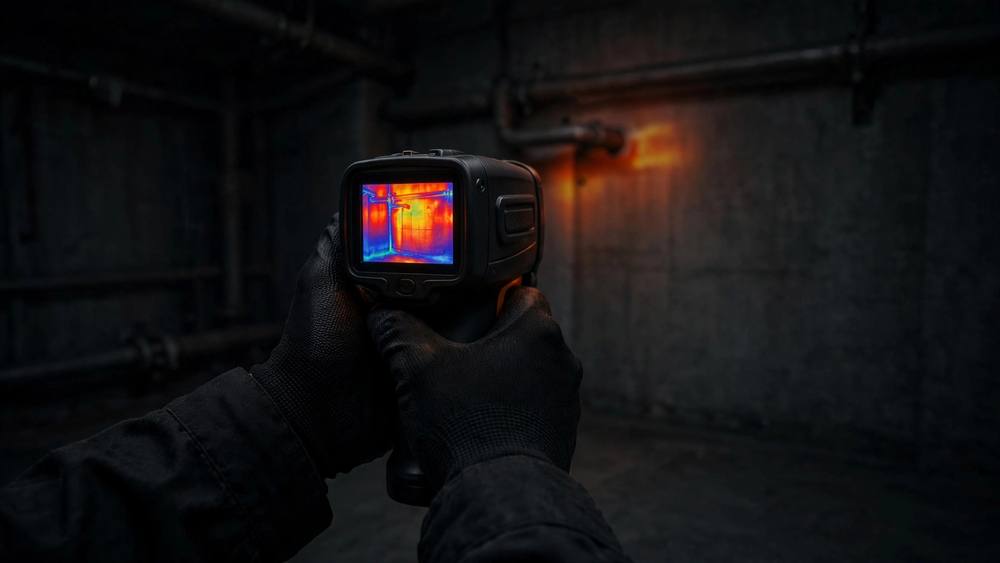
Partially. Point sensors only detect water where they are placed, so a slow leak inside a wall cavity may not reach a sensor quickly. This is where humidity-monitoring sensors and flow-based shutoff systems add value — they can flag abnormal moisture or water usage patterns that suggest a hidden leak. For suspected hidden leaks, professional leak detection with thermal imaging or acoustic equipment is the definitive answer.
Most smart sensors need Wi-Fi to send phone alerts, though they still sound a local alarm without it. This is worth considering: if your internet goes down during the same storm that floods your basement, remote alerts stop. Some hub-based systems use cellular backup. For critical protection like sump pump monitoring, a cellular or battery-backed alert path is worth the extra cost.