
Frozen Pipes in Ohio: Prevention & What to Do
Ohio cold snaps burst pipes every winter. Learn how to protect your plumbing, what to do the moment a pipe freezes, and how to respond if one bursts.
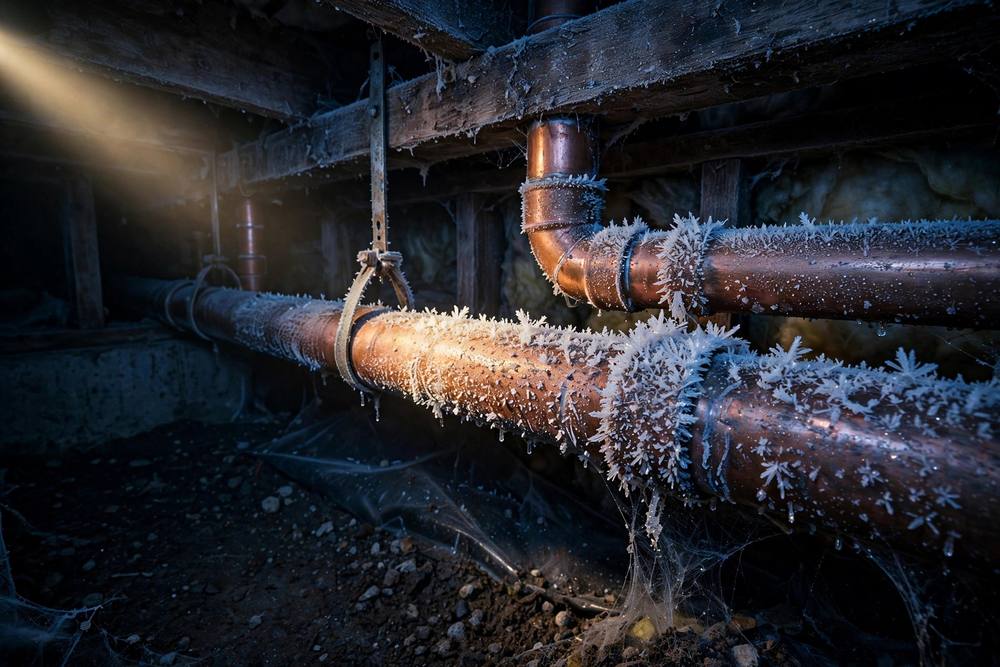
Ohio winters are brutal on plumbing. When temperatures drop well below freezing, water inside pipes can freeze, expand, and split the pipe open, sometimes releasing hundreds of gallons into your home once it thaws. The good news: frozen pipes are largely preventable, and knowing exactly what to do when they happen can be the difference between a scare and a disaster. This guide covers how freezing happens, the prevention steps that actually work in Ohio's climate, and exactly what to do in the critical minutes after you discover a frozen or burst pipe.
How Do Pipes Freeze in Ohio Winters?
Pipes freeze when they are exposed to sustained sub-freezing temperatures. The most vulnerable pipes run through unheated spaces: basements, crawl spaces, attics, garages, and exterior walls. Pipes along north-facing exterior walls are at extra risk. In Columbus, the danger peaks during arctic cold snaps when overnight lows stay well below freezing for several days, and in vacant or under-heated properties where the thermostat is set too low or the heat fails.
How Can I Prevent Frozen Pipes?
- Keep the heat on. Never set the thermostat below 55 degrees, even when traveling. The cost of heat is tiny compared to a burst pipe.
- Insulate vulnerable pipes. Foam pipe sleeves on pipes in unheated areas are cheap and effective.
- Seal air leaks. Caulk and insulate around holes where pipes pass through walls, especially exterior walls.
- Let faucets drip during extreme cold. A slight drip on faucets served by exposed pipes relieves pressure, which is what actually bursts pipes.
- Open cabinet doors under sinks on exterior walls so warm air circulates around the pipes.
- Disconnect garden hoses and shut off and drain exterior faucets before winter.
- Know where your main shutoff valve is before you need it in a panic.
What Should I Do If My Pipes Freeze?
If a faucet produces only a trickle or nothing at all, you likely have a frozen pipe. Keep the faucet open, because running water helps melt ice. Apply gentle heat to the suspected frozen section: a hair dryer, heating pad, or warm towels, working from the faucet back toward the coldest area. Never use an open flame or a torch. If you cannot locate the frozen section, or if the pipe is inaccessible inside a wall, call a professional rather than waiting, because the real danger comes next.
What If a Pipe Bursts?
A burst often reveals itself during the thaw, when water suddenly pours from a wall or ceiling. Immediately shut off the main water valve, then turn off the water heater and drain the system by opening faucets. Shut off electricity to affected areas if water is near wiring or outlets. Move valuables, document the damage with photos, and call for emergency water damage help right away. Fast extraction and drying in the first hours dramatically limits the damage and the mold risk.
Why Are Columbus Homes Especially at Risk?
Columbus has a large inventory of older homes with plumbing routed through unheated basements, crawl spaces, and exterior walls, plus many rental properties where heat may be set low between tenants. Older galvanized and copper lines in these homes are less forgiving of freeze expansion. A single extreme cold snap each winter is enough to generate a wave of burst-pipe calls across the city, which is why prevention before the first freeze matters so much.
What About Rentals and Vacant Homes?
Vacant and rental properties deserve special attention because nobody is there to notice the first warning signs. Landlords should confirm that tenants keep the heat at 55 degrees or higher and know where the main shutoff valve is located. For vacant homes, proper winterizing means draining supply lines, adding antifreeze to traps and toilets, and either maintaining minimum heat or fully shutting off and draining the plumbing system. Inexpensive smart water sensors that alert your phone to leaks or freezing temperatures are excellent protection for properties you cannot check daily. Many of the worst burst-pipe disasters in Columbus each winter happen in empty or under-heated properties, and nearly all of them were preventable.
Frozen or burst pipe in Columbus, OH? Water Damage Columbus connects you with local emergency providers for burst pipe cleanup, water extraction, and structural drying, day or night. Call (614) 926-0051 now.
Need help right now?
One free call connects you with a trusted Columbus provider — 24/7.
Related services
- Frozen Pipe Water Damage in Columbus, OH
- Frozen Pipe Thawing in Columbus, OH
- Burst Pipe Water Damage in Columbus, OH
Back to trusted water damage help in Columbus or browse all resources.
Keep reading
Common questions
Pipes in unheated basements, crawl spaces, attics, garages, exterior walls, and outdoor hose bibs face the highest risk. Pipes on north-facing exterior walls and in vacant or poorly heated properties are especially vulnerable during extended cold snaps when temperatures stay well below freezing for days.
At 55 degrees Fahrenheit or higher, even when traveling. This keeps wall cavities and marginal spaces warm enough in most homes to prevent freezing. The small heating cost is negligible compared to the extensive damage a single burst pipe can cause.
It is usually not the ice itself but the pressure buildup between the ice blockage and the closed faucet that splits the pipe. That is why leaving faucets dripping during extreme cold helps: the open faucet relieves pressure, which is the actual force that causes the burst.
Yes, in many cases, when the cause is sudden and accidental. Standard homeowners policies commonly cover burst pipes, though damage from negligence, such as heat left off during winter, may be excluded. Document the damage thoroughly and contact your insurer promptly after mitigating.