
Sump Pump Failure: A Columbus Homeowner's Guide
Your sump pump is your basement's last line of defense, and Columbus storms love to knock it out. Learn the warning signs, common causes, and the backup every homeowner should consider.
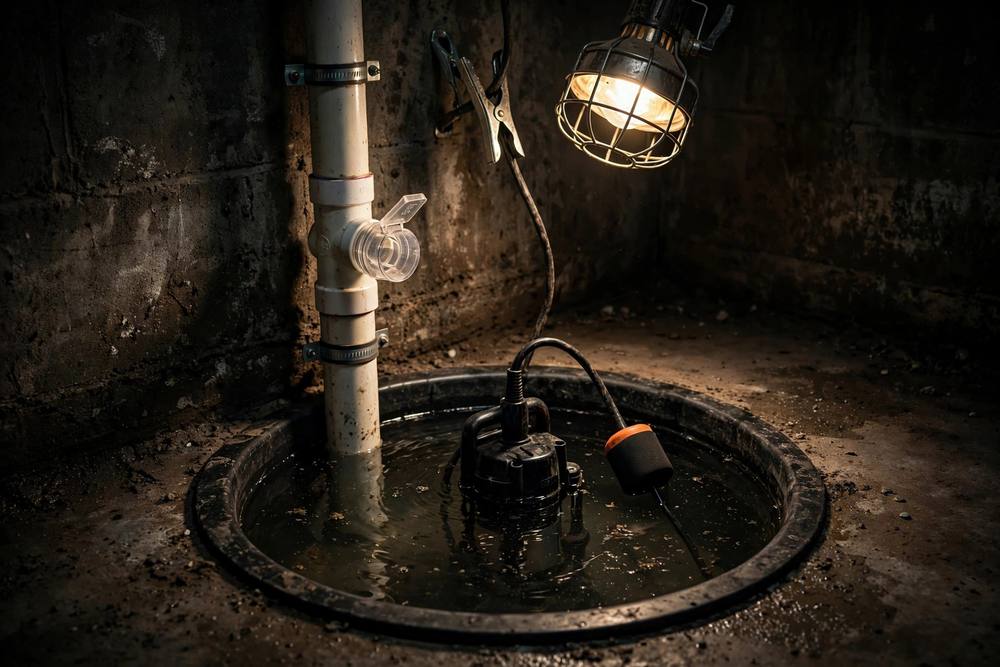
A sump pump is the hardest-working flood defense in most Columbus homes, and most homeowners never think about it until it fails. When it quits during a heavy rain, water can rise in the sump pit and spread across the basement floor within hours. Here is what every Columbus homeowner should know about preventing failure and responding when it happens. Because most Columbus-area homes with basements depend on a single pump as their primary flood defense, understanding how these systems fail, and what backup protection is worth compared to a flooded basement, is one of the highest-value things a homeowner here can learn.
How Do I Know My Sump Pump Has Failed?
- Water rising in the sump pit or spreading across the basement floor during or after rain
- The pump runs constantly but the water level never drops
- The pump never turns on even though the pit is full (check power and the float switch first)
- Strange grinding, rattling, or humming noises, or a pump that vibrates excessively
- The pump is more than 7 to 10 years old and has never been serviced
What Causes Sump Pumps to Fail?
The most common causes are power outages during storms, a stuck or tangled float switch, a clogged intake screen or discharge line, a frozen discharge pipe in winter, an undersized or aging pump overwhelmed by heavy inflow, and simple mechanical wear. Many failures are preventable with basic maintenance: test the pump a few times a year by pouring water into the pit, keep the intake clear of debris, and make sure the discharge line directs water well away from the foundation.
Why Do Sump Pumps Matter So Much in Columbus?
Central Ohio's heavy clay soil drains poorly, so groundwater presses against basement walls and floors instead of soaking away, especially during spring storms and summer downpours. The vast majority of Columbus-area homes with basements depend on a sump pump as their primary defense. When storms knock out power, which is exactly when the pump is needed most, basements without backup protection are extremely vulnerable. This combination makes sump reliability a bigger deal here than in many other markets.
Should I Get a Battery Backup Sump Pump?
For most Columbus homeowners, yes. A battery backup system kicks in automatically when the power goes out or the primary pump fails, buying critical hours of protection during the storms that cause most failures. Water-powered backups are another option where municipal water pressure allows. Either way, backup protection plus a high-water alarm that alerts you when the pit level rises is the most practical flood-prevention upgrade a basement owner can make.
What Should I Do After a Sump Pump Failure?
First, stop the water if possible: restore power, free a stuck float, or clear a blocked discharge line. Then document the damage with photos before moving anything. Remove standing water only if it is clean groundwater; if there is any chance of sewage contamination, wait for professionals. Even after the visible water is gone, moisture trapped in flooring, drywall, and framing needs professional drying to prevent mold. A failed pump event is also the right moment to have the pump replaced or upgraded, and to consider backup protection so it does not happen again.
What Maintenance Does a Sump Pump Need?
A few minutes of maintenance twice a year prevents most failures. Pour a bucket of water into the pit to verify the float switch triggers the pump and the pit drains fully. Clear debris from the pit and the intake screen so nothing jams the mechanism. Check that the discharge line is unobstructed and directs water well away from the foundation, since a blocked or frozen line can burn out the motor. Listen for grinding or rattling that signals worn bearings. Test battery backups by unplugging the primary pump, and replace backup batteries every few years following the manufacturer's guidance. If the pump is approaching ten years old, budget for replacement before it quits during a storm, because that is exactly when aging pumps tend to fail.
Sump pump failed in Columbus, OH? Water Damage Columbus connects you with local providers for emergency pump-out, cleanup, drying, and sump pump replacement, 24/7. Call (614) 926-0051 now.
Need help right now?
One free call connects you with a trusted Columbus provider — 24/7.
Related services
- Sump Pump Failure Cleanup in Columbus, OH
- Sump Pump Repair in Columbus, OH
- Battery Backup Sump Pump Installation in Columbus, OH
Back to water damage experts serving Columbus, OH or browse all resources.
Keep reading
Common questions
Test it at least twice a year, ideally in spring and fall. Pour a bucket of water into the pit to confirm the float switch activates the pump and the pit drains. Also check that the discharge line is clear and directing water away from the house.
Most sump pumps last roughly 7 to 10 years depending on use and water conditions. If yours is in that range, runs constantly, or makes unusual noises, have it inspected. Replacing an aging pump before it fails is far cheaper than a flooded basement.
It is one of the most effective upgrades for Columbus homes. Storms that overwhelm or knock out primary pumps are common here, and a battery backup automatically takes over during outages. Pair it with a high-water alarm for the best protection.
Possibly, if the flooding was sudden and accidental, such as a mechanical pump failure during a storm, and your policy includes the relevant coverage. Gradual seepage is typically excluded. Document everything with photos, mitigate promptly, and check your policy or ask your insurer about sump-related coverage.