
Ice Dams & Roof Leaks in Ohio Winters: Guide
Ice dams form when heat escaping through your roof melts snow that refreezes at the eaves — forcing water under shingles and into your home. Here's what to do.
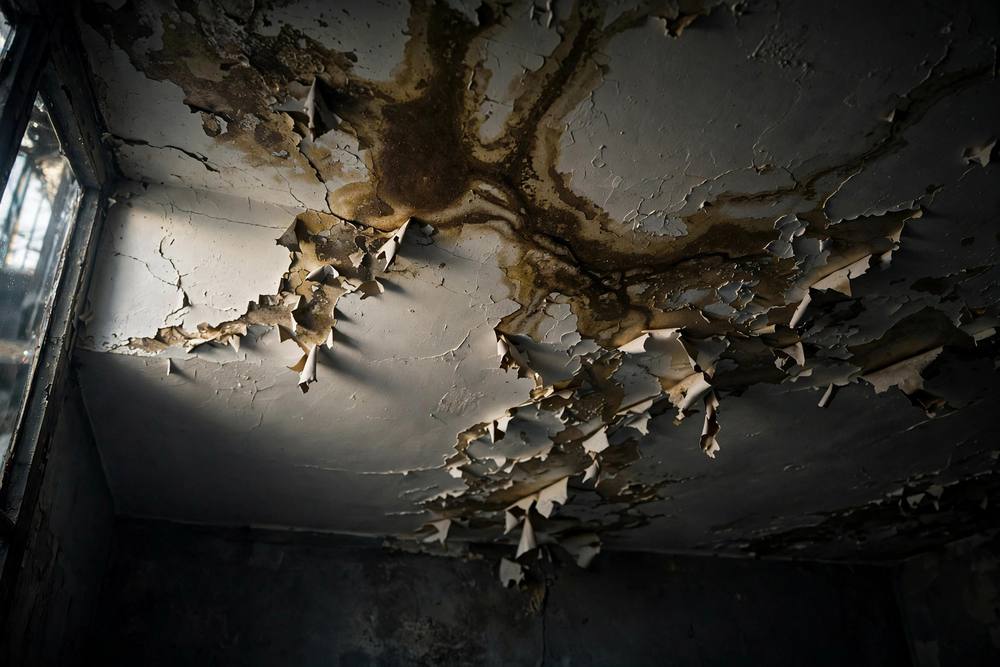
Short answer: an ice dam is a ridge of ice at your roof's edge that traps melting snow, forcing water backward under your shingles and into your attic and walls. Prevention — proper attic insulation, ventilation, and sealed air leaks — is far cheaper than repair. If water is already coming in, contain it, document the damage, and call for professional help with both the roof and the interior water damage.
Ohio winters deliver exactly the conditions ice dams love: snow on the roof, freezing nights, and enough daytime or indoor heat to start a melt-freeze cycle. Columbus homeowners discover the damage as brown stains blooming on ceilings in February — weeks after the ice dam actually formed.
What exactly is an ice dam?
Heat escaping from your living space warms the roof deck, melting the bottom layer of snow. That meltwater runs down toward the eaves — which extend past the heated house and stay cold — and refreezes there. Over successive cycles, a ridge of ice builds up at the edge. Eventually the ridge dams up a pool of liquid water behind it, and that water has nowhere to go but up: it backs under the shingles, through the underlayment, into the attic, and down through ceilings and walls. The ice you see at the gutter is the symptom; the water pooling silently behind it is the problem.
Why are Ohio winters so hard on roofs?
Central Ohio gets repeated freeze-thaw cycles all winter — snow, partial melt, refreeze — which is the engine of ice dam formation. Many Columbus homes, especially older ones in neighborhoods like Clintonville, German Village, and the Near East Side, have attics with thin insulation and air leaks around lights, vents, and chases that pump heat straight to the roof deck. Add clogged gutters that give meltwater extra places to freeze, and valleys or north-facing slopes that never see winter sun, and you have prime ice dam territory.
What are the warning signs of an ice dam leak?
- Icicles along the eaves — especially thick, persistent ones (pretty but ominous)
- A visible ridge of ice at the roof edge with snow pooled behind it
- Water stains on ceilings or upper walls, often appearing during or just after a thaw
- Damp or frosty attic insulation, or frost on the underside of the roof deck
- Peeling paint or warped trim near the tops of exterior walls
- Gutters pulling away under the weight of ice
By the time you see interior stains, water has been intruding for a while — attics and wall cavities hide the early damage.
How do you safely deal with an ice dam?
First, protect the interior: place buckets, move furniture, and poke no holes — let professionals assess. For the roof itself, the safe homeowner steps are limited. You can use a roof rake from the ground to pull snow off the lower few feet of roof, reducing the water feeding the dam. Calcium chloride ice-melt in a nylon stocking laid across the dam can open a drainage channel. What you should not do: climb onto an icy roof, or attack the dam with a hammer, axe, or pick — you will damage shingles and gutters and risk serious injury. For large or stubborn dams, call a professional with steam removal equipment, which melts channels through the ice without damaging the roof.
How is ice dam water damage repaired inside the home?
Local providers we connect you with handle the interior restoration: moisture mapping to find everywhere water traveled (it is always further than the stain suggests), removal of saturated insulation and damaged drywall, structural drying of framing and wall cavities with targeted equipment, antimicrobial treatment to prevent mold, and reconstruction of ceilings, walls, and finishes. Because ice dam leaks often recur in the same spot, addressing the attic insulation and ventilation problem is part of a lasting fix — otherwise you will be repairing the same ceiling next winter.
How can you prevent ice dams next winter?
The permanent fix is keeping the roof deck cold: seal air leaks from living spaces into the attic, upgrade attic insulation to recommended levels, ensure soffit-to-ridge ventilation so the attic stays near outdoor temperature, and keep gutters clean. Heated cables along eaves can help in problem spots but treat the symptom, not the cause. A professional energy or roofing assessment in fall is the ideal time to find and fix the heat-loss issues before snow arrives.
Seeing water stains after a thaw, or worried about the ice building up on your eaves? Call (614) 926-0051 — our network connects you with Columbus providers for emergency interior restoration and lasting ice dam solutions, 24/7.
Need help right now?
One free call connects you with a trusted Columbus provider — 24/7.
Related services
- Ice Dam Water Damage Repair in Columbus, OH
- Roof Leak Water Damage Restoration in Columbus, OH
- Attic Water Damage Restoration in Columbus, OH
Back to Columbus water damage specialists or browse all resources.
Keep reading
Common questions
Usually, yes — most standard policies cover sudden water damage from ice dams to the interior of your home, such as stained ceilings and damaged drywall. However, the cost of removing the ice dam itself and any resulting roof maintenance issues are typically considered homeowner maintenance and not covered. Document interior damage thoroughly with photos.
Heated cables can keep drainage channels open in chronic problem areas like valleys and north-facing eaves, but they treat the symptom rather than the cause. The lasting fix is sealing attic air leaks, adding insulation, and improving ventilation so the roof deck stays cold. Cables also add to your electric bill all winter.
Knocking down icicles from the ground with a long tool is fine and reduces weight on gutters, but it does nothing about the ice dam itself, which sits at the roof edge behind the icicles. Never pull hard on icicles — you can damage gutters, shingles, and siding, or pull ice down onto yourself.
If you can see the tops of your ceiling joists, you almost certainly need more. In an unfinished attic you should see a deep, even blanket of insulation with no gaps around lights, vents, pipes, or the attic hatch. A professional energy audit — often available at low cost — uses thermal imaging to show exactly where heat is escaping.