
Does Homeowners Insurance Cover Water Damage?
Ohio homeowners are often surprised by what water damage insurance actually covers. Learn the sudden-vs-gradual rule, the flood exclusion, and how to file a strong claim.
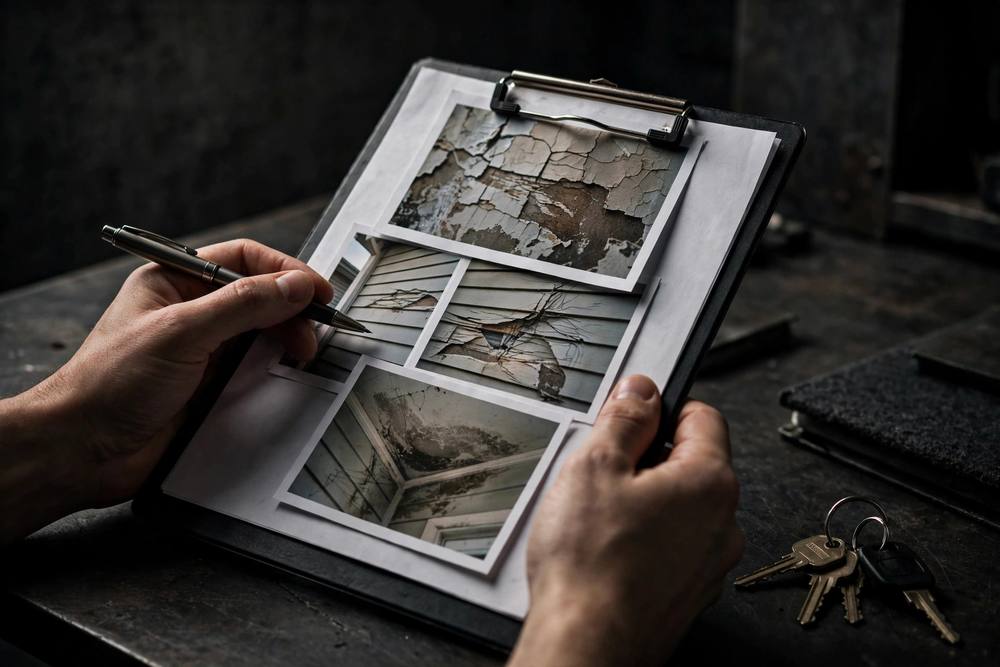
The honest answer: sometimes. Standard homeowners insurance in Ohio typically covers water damage that is sudden and accidental, like a burst pipe or a failed water heater, but excludes damage that is gradual, neglected, or caused by flooding. The source of the water matters more than the amount of damage. Here is how to figure out where you stand. Below is a plain-language breakdown of what standard policies typically cover, the exclusions that surprise Ohio homeowners most, and a step-by-step approach to filing a claim that gives you the best chance of approval.
What Water Damage Does Homeowners Insurance Usually Cover?
Most standard HO-3 policies cover sudden and accidental water damage from inside the home. Common covered scenarios include burst or frozen pipes, sudden appliance failures such as a washing machine hose rupture or water heater tank burst, accidental overflows, and water damage from extinguishing a fire. The key word is sudden: the event must be abrupt rather than something that developed over weeks or months.
What Is Typically Excluded?
- Gradual damage and maintenance issues. A slow leak under a sink that went unaddressed for months, or long-term seepage through a foundation crack, is generally considered a maintenance problem and is commonly denied.
- Groundwater and flood water. Water that enters from outside, including heavy rain flooding, rising rivers, and groundwater seepage, is typically excluded from standard policies. Separate flood insurance is needed for these events.
- Sewer backups, unless you carry a specific sewer backup endorsement, which many Ohio homeowners add.
- Neglect. Failing to maintain the home, such as ignoring a known roof leak, can void coverage for the resulting damage.
Does Standard Insurance Cover Floods in Ohio?
No. This is the most costly misunderstanding in home insurance. Flooding from storms, overflowing rivers like the Scioto or Olentangy, or rising groundwater is not covered by a standard homeowners policy, in Ohio or anywhere else. If your Columbus home sits near a waterway or in a mapped floodplain, a separate flood insurance policy through the National Flood Insurance Program or a private carrier is the only way to cover flood damage. Do not assume you are covered because you have homeowners insurance.
How Do I File a Water Damage Claim in Ohio?
- 1. Mitigate further damage immediately. Your policy requires you to take reasonable steps to prevent more damage, such as shutting off water and calling for emergency extraction. Do not wait for the adjuster to start mitigation.
- 2. Document everything. Photos and video of the source, the water, and all damaged items and materials, taken before anything is moved or discarded.
- 3. Contact your insurer promptly. Report the claim as soon as practical and ask what documentation they need.
- 4. Keep all receipts for emergency services, temporary repairs, and additional living expenses if you must relocate.
- 5. Get a professional assessment. Detailed moisture readings, a written scope of damage, and an itemized estimate from a restoration provider carry significant weight with adjusters.
What Documentation Strengthens My Claim?
Time-stamped photos and video, a written timeline of discovery and response, professional moisture mapping and drying logs, itemized estimates separating mitigation from reconstruction, and receipts for every related expense. The stronger your documentation, the smoother the claims process. Local providers experienced with insurance work know exactly what adjusters look for and can help assemble it.
What If My Claim Is Denied?
A denial is not necessarily the end of the road. Read the denial letter carefully to understand the exact reason and the specific policy language cited. You can supplement your documentation with professional moisture readings, additional photos, contractor statements, and maintenance records, then ask the insurer to reconsider. Many disputes turn on whether damage was sudden versus gradual, so evidence establishing the timeline matters enormously. If the amount at stake is significant, a licensed public adjuster can independently re-evaluate the claim on your behalf, and for large disputed claims an attorney experienced in insurance law may help. Throughout the process, keep every communication in writing and continue mitigating damage, since letting conditions worsen never strengthens your position.
Dealing with water damage and insurance questions in Columbus, OH? Water Damage Columbus connects you with local providers who document damage thoroughly for claims and help you understand your options. Call (614) 926-0051 for 24/7 assistance.
Need help right now?
One free call connects you with a trusted Columbus provider — 24/7.
Related services
- Water Damage Insurance Claim Assistance in Columbus, OH
- Water Damage Documentation in Columbus, OH
- Insurance Loss Inspection in Columbus, OH
Back to water damage experts serving Columbus, OH or browse all resources.
Keep reading
Common questions
Sudden and accidental events like burst pipes, failed water heaters, and appliance hose ruptures are commonly covered under standard Ohio homeowners policies. Gradual leaks, neglected maintenance, groundwater seepage, and flooding from storms or rivers are typically excluded without separate flood insurance.
No. Standard homeowners policies exclude flooding from rain, storms, overflowing rivers, and rising groundwater, in Ohio and everywhere else. Separate flood insurance through the National Flood Insurance Program or a private carrier is required, especially for homes near waterways or in mapped floodplains.
Yes. Policies require you to take reasonable steps to prevent further damage, such as shutting off the water source and arranging emergency extraction. Waiting for the adjuster before mitigating can jeopardize your claim, so document thoroughly with photos and act quickly.
Time-stamped photos and video, a written timeline of discovery and response, professional moisture readings and drying logs, itemized estimates separating mitigation from reconstruction, and receipts for all related expenses. Thorough documentation is the foundation of a successful, smoothly processed claim.